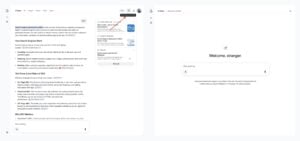
Google is testing a temporary chat feature in AI Mode. The option appears in the corner of the page, near the profile icon.
This was first spotted by Gagan Ghotra, who shared it on X.
He wrote: “Today Google is testing (or probably rolling out) a temporary chat feature in AI Mode.”
Here are the screenshots he shared, showing the temporary chat option and the new temporary chat that opens in AI Mode after clicking it.
In a comment, Gagan also confirmed that the feature has already been available in the Gemini app and on the web, but not in AI Mode until now.
I tried to replicate this in AI Mode myself but couldn’t, so this looks like a limited test for now. It is interesting to see Google bring a Gemini feature into AI Mode.
Google has updated Chrome’s “On-device AI” setting in Canary with clearer details on how its local AI models work, including when Chrome removes unused models and how the feature differs from Gemini in Chrome.
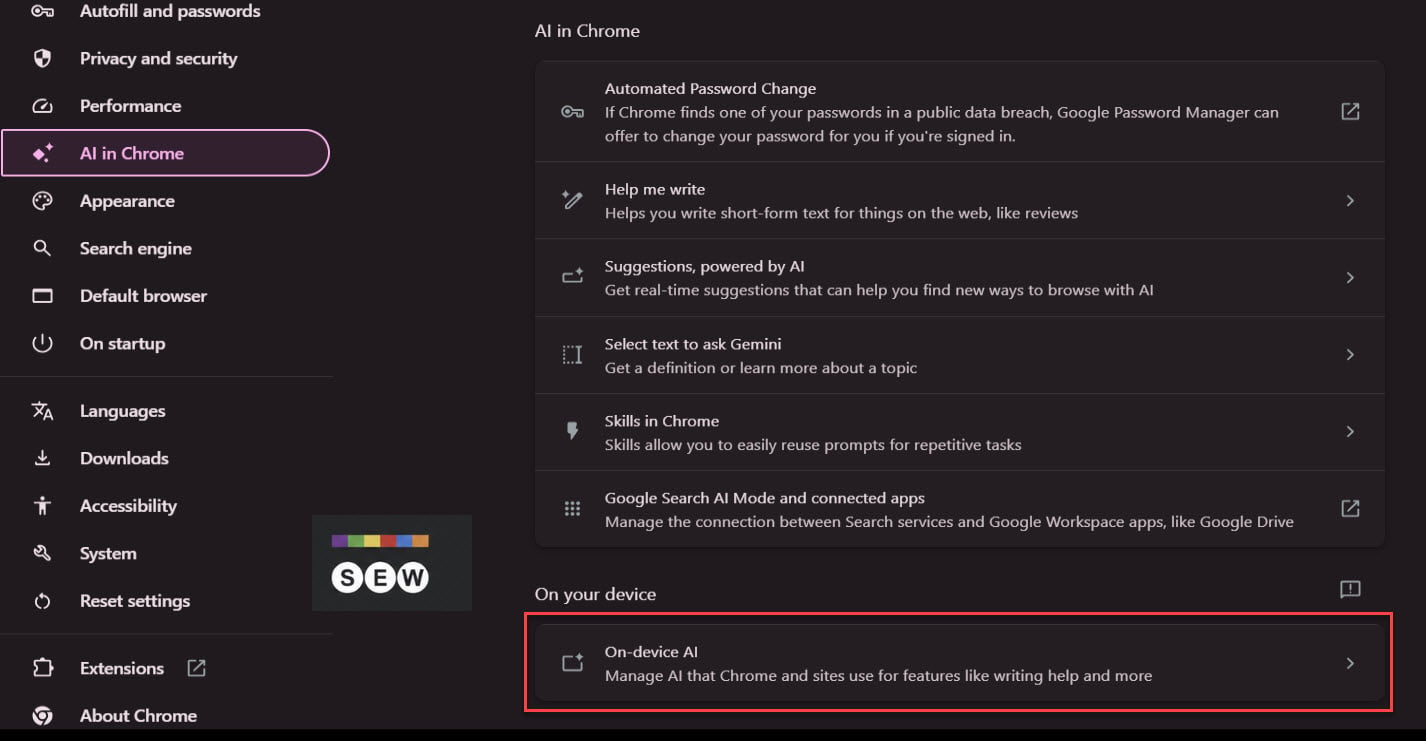
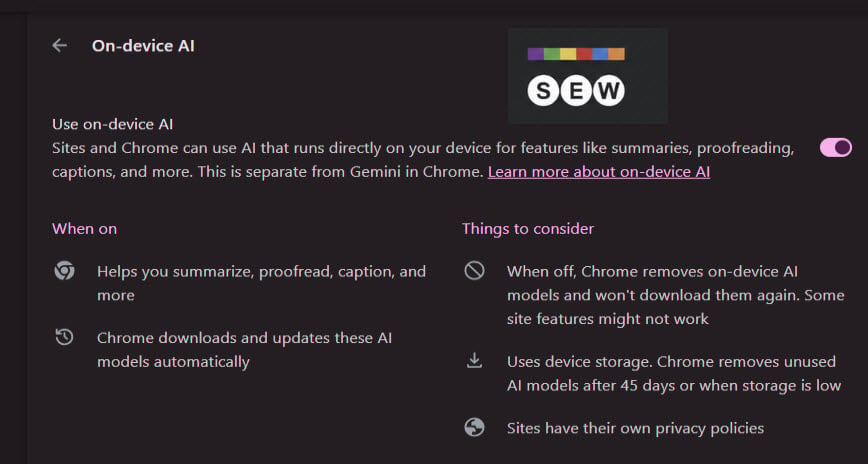
The new text appears under Settings > AI in Chrome > On your device > On-device AI. It says Chrome and websites can use on-device AI for features such as summaries, proofreading and captions. Google also explicitly states that this is separate from Gemini in Chrome.
Image Credit: Venkat | Search Engine Watch
The previous description was brief: “To power features like scam detection, Chrome can use AI models that run directly on your device. When this is off, these features might not work.”
Image Credit: Venkat | Search Engine watch
The new wording explains what happens when users enable or disable the setting.
Image Credit: Venkat | Search Engine Watch
When enabled, Chrome downloads and updates the required AI models automatically. These models use device storage, and Chrome removes unused ones after 45 days or when storage runs low. The description also reminds users that websites have their own privacy policies.
Turning off On-device AI removes the downloaded models and prevents Chrome from downloading them again. Google warns that some website features might not work without them.
Google’s Help Center article on on-device AI provides additional details about the download requirements. Chrome needs approximately “20 GB” of free disk space to download on-device generative AI models. The device also needs an unmetered network connection and sufficient performance. Chrome only downloads these models on eligible devices.
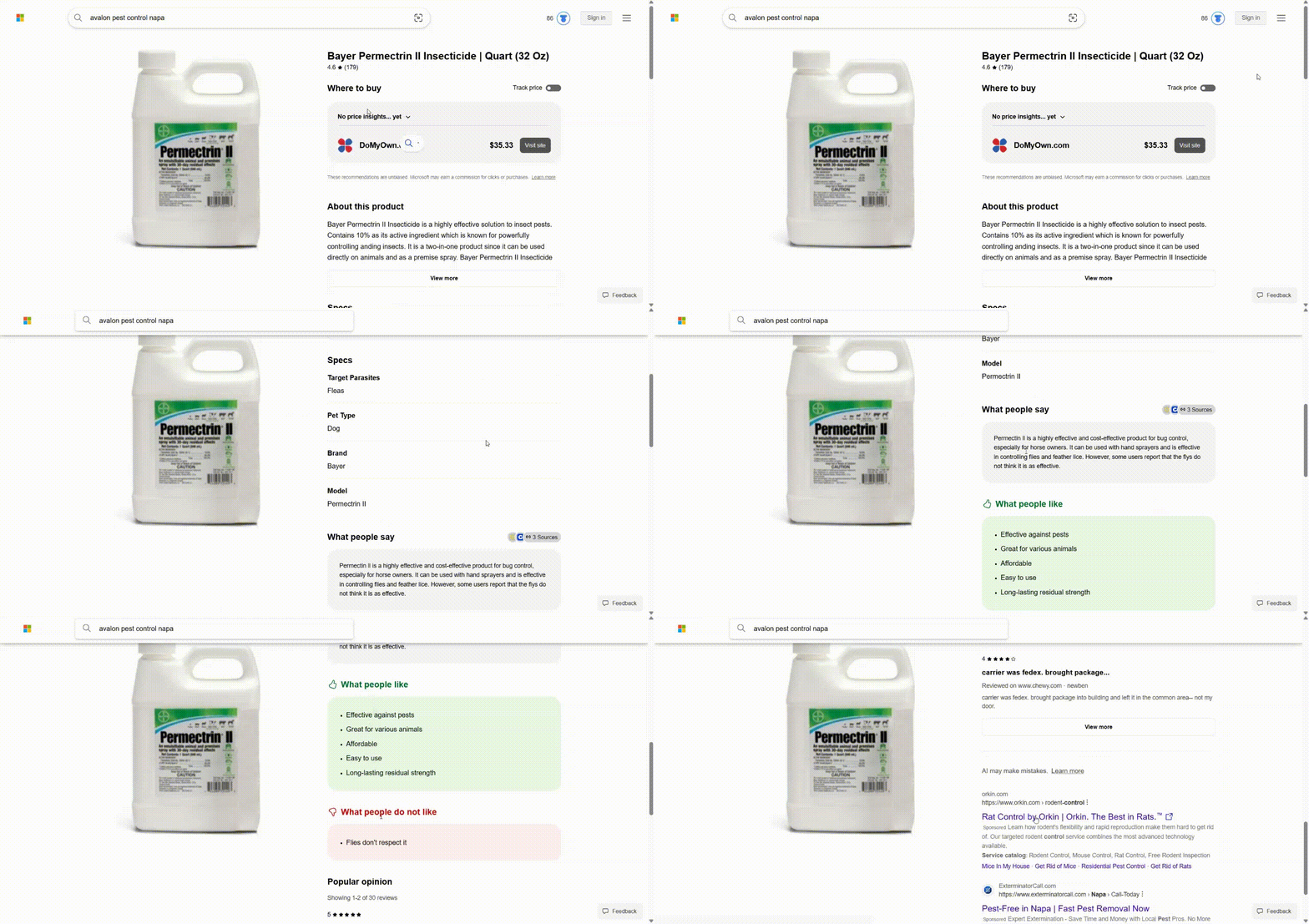
Microsoft Bing is showing additional shopping information within its product detail overlay, including a Track price button, popular opinion and summaries of what people like and do not like about a product.
The overlay provides shoppers with more information when they select a product from Bing Shopping results.
I previously shared an observation about Bing’s product detail overlay on X. The latest version includes additional sections that provide more insights into products and customer opinions.
The overlay now includes a Track price option, allowing users to follow product pricing. It also displays a Popular opinion section, along with separate sections highlighting What people like and What people do not like.
These sections give shoppers a quick overview of customer feedback without having to go through individual reviews.
Here is how the updated product detail overlay appears in Bing Shopping.
These additions give users more product information in one place, helping them compare products and understand customer feedback before making a purchase.
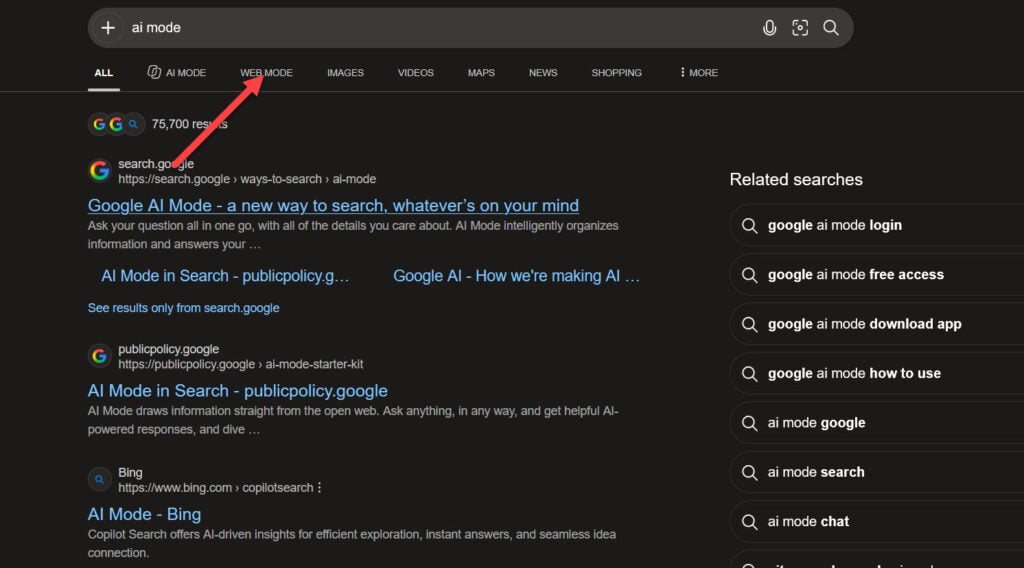
We spotted a “Web Mode” tab in Bing’s search navigation. It appears alongside “AI Mode,” with All, Images, Videos, Maps, News, Shopping and More completing the navigation bar.
Image Credit: Venkat | Search Engine Watch
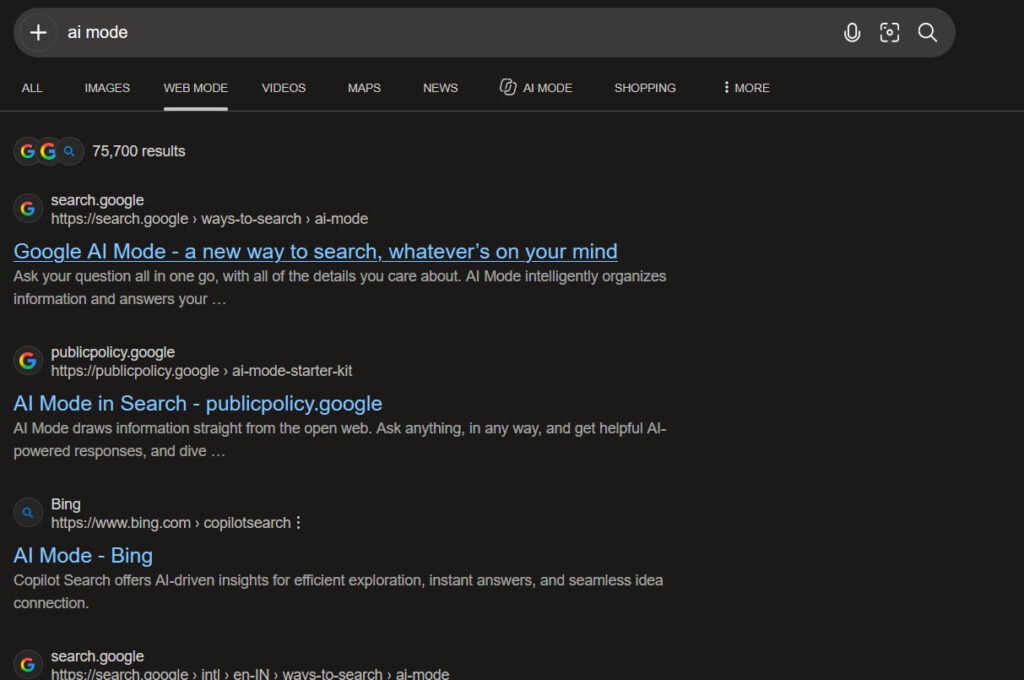
Selecting “Web Mode” displays Bing’s traditional search results, with regular blue links, URLs and snippets. We tested it with a search for Google and got conventional web listings. The destination URL includes `scope=web`.
Image credit: Venkat | Search Engine Watch
Bing hasn’t replaced “All” with “Web Mode.” Both appear in the same navigation bar. Web search gets its own “Mode” label next to AI Mode.
We also spotted the Web Mode tab on Bing’s AI Mode homepage, where selecting it takes users back to the regular Bing homepage. Microsoft hasn’t confirmed when it added the tab or whether it’s available to other accounts and regions.
An internal Amazon proposal describes a product database designed to keep shoppers from turning to Google, brand websites and review sites for answers. It would cover products Amazon sells and products available elsewhere.
Reuters reported on November 13 that the proposed World Product Graph would combine information supplied by brands with data gathered by crawling other retailers‘ websites.
Amazon told Reuters the document was an outdated brainstorming proposal that “doesn’t necessarily reflect our current plans.” Reuters could not confirm whether or when the project would launch.
The memo describes a bigger role for Amazon in product research
The memo sets out a more detailed picture of how products relate to each other, including model differences and which option suits a shopper. It carries an aspirational October 1, 2027 release date.
That would put more of the comparison work inside Amazon. For a retailer, the potential shift starts before checkout, when a shopper decides which features, versions and brands to consider.
Amazon already accepts product catalogs from stores across the web
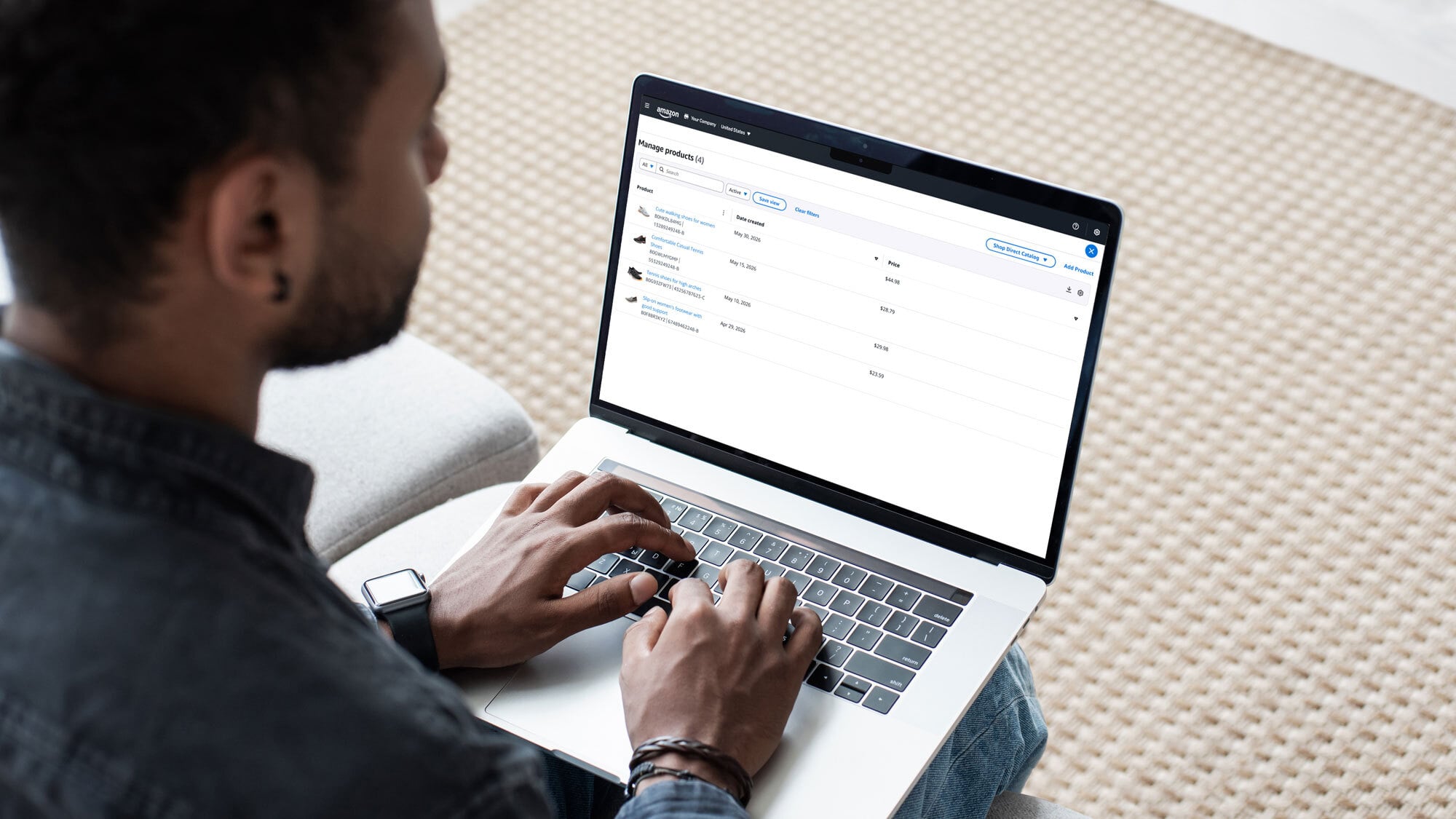
Amazon’s existing Shop Direct Merchant Workspace, announced on November 4, gives eligible merchants a free way to submit catalogs and manage which products appear. It supports feeds from providers including Feedonomics, Salsify, CEDCommerce and VersaFeed.
Shop Direct is available to US shoppers across Amazon’s website, app and Alexa for Shopping. The Shop Direct button sends you to the merchant’s site. On eligible products, Buy for Me can complete the purchase on your behalf.
Merchants can select their products and opt out. They continue to handle pricing, inventory, fulfillment and support.
Amazon published this image of its existing Shop Direct Merchant Workspace on November 4. Image: Amazon
Google’s cart keeps your shopping list together across Search and Gemini
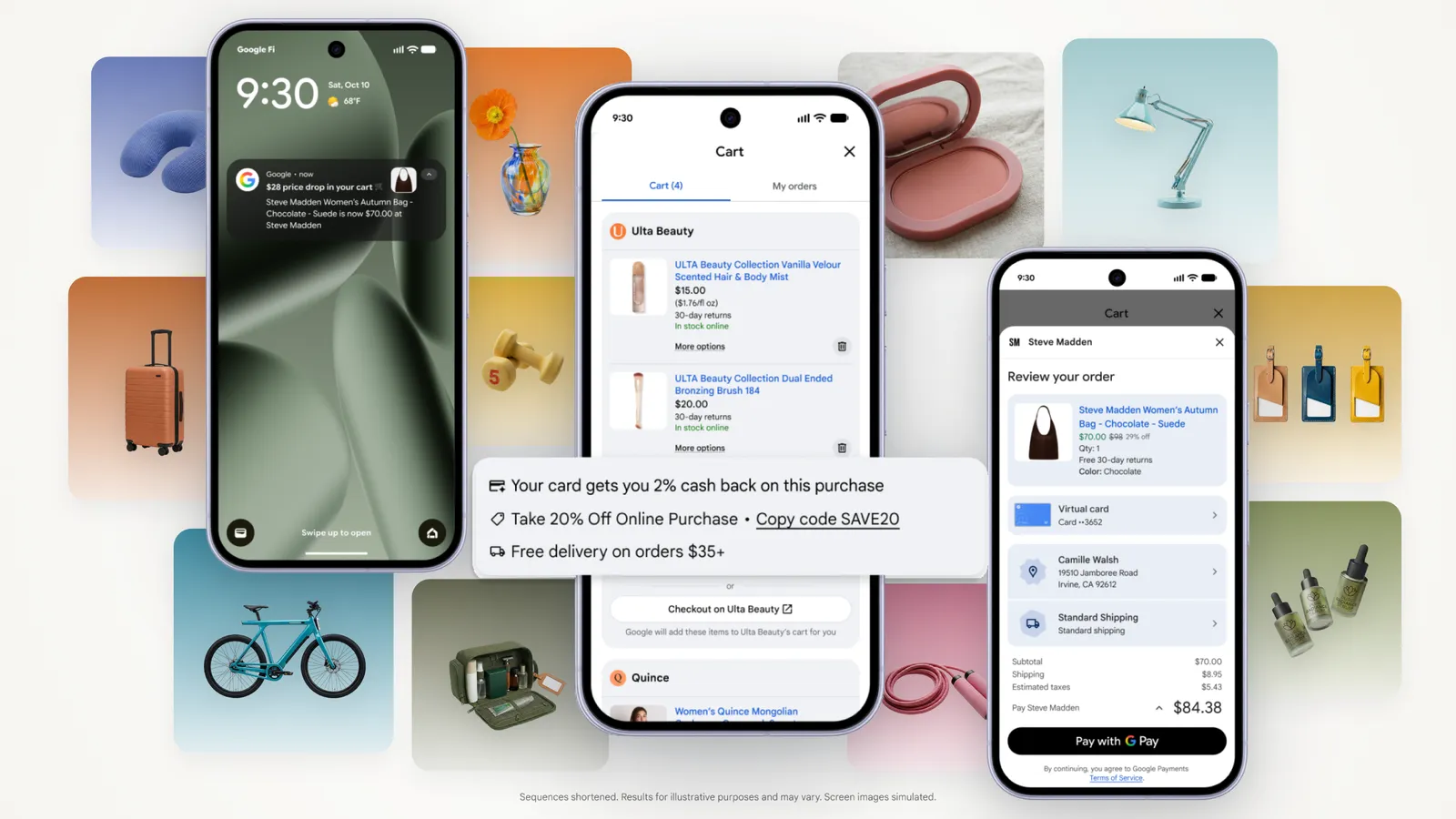
As SEW covered in its report on Google’s Universal Cart rollout, you can collect products from different stores and check out through supported merchants or continue on the retailer’s website.
Google’s October Universal Cart illustration shows price alerts, saved products and checkout. The screens are simulated. Image: Google
If you sell online, a wrong model number or outdated stock status in your catalog can mislead shoppers before they reach your store. Check those details wherever you share product information.
Measure those journeys by completed orders as well as referral clicks. A shopping assistant can send fewer people to your website while still generating sales. Whether Amazon’s proposed database would produce that result remains untested.