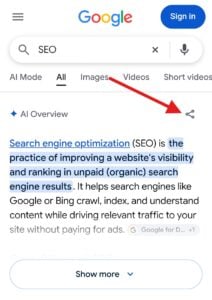
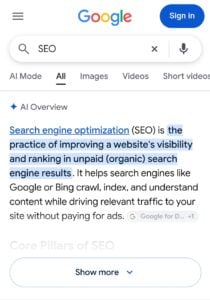
Google is testing a different placement for the share button in AI Overviews. Previously, the share icon sat at the bottom of the AI Overview, alongside other icon buttons. Today I spotted it in a different spot, at the top of the AI Overview.
Here is a screenshot with the share button in its new position.
Here is a screenshot of how it normally looks.
The share button lets users send that particular result to someone else. Personally, I don’t think moving it will help users much.
Mistral has launched Voxtral 3 voice agents for live customer conversations, combining speech recognition and spoken responses with tools that can act inside business systems. The October 20 announcement puts the starting voice agent API rate at $0.04 per minute when Mistral Small 4 handles reasoning.
The release includes a software development kit built on LiveKit, with support for calls and browser conversations. Mistral’s examples include checking a bill and booking an appointment while the customer is still speaking to the agent.
Mistral’s launch artwork for Voxtral 3. Image: Mistral AI
The reasoning model connects speech to business tools
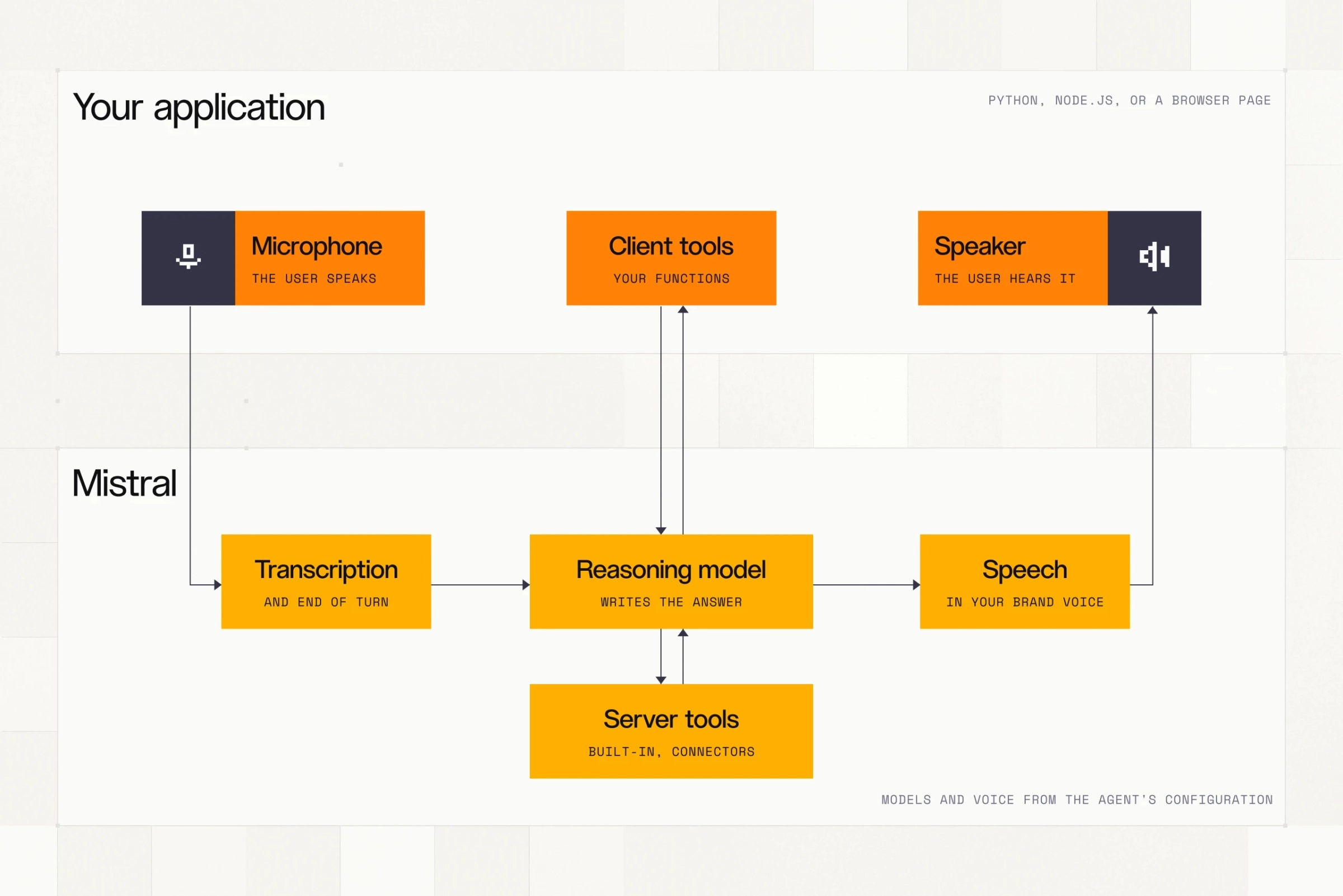
The agent combines a real time transcription model, a general model for reasoning and tool calls, and a model that generates speech. Each stage has a separate job, so the developer can change the reasoning model or voice without replacing the whole system, according to Mistral.
Mistral’s architecture diagram separates the speech models from reasoning and connected tools. Image: Mistral AI
That arrangement puts the business connection between understanding a request and describing its outcome. For a booking, the calendar or reservation tool supplies the available slots and records the chosen appointment. The spoken confirmation then has to reflect the result returned by that tool, including a rejection or an unavailable time.
Voice agent and transcription rates cover different work
Mistral charges $0.08 per minute for its voice agent API with a larger reasoning model. Its separate Mini batch transcription service costs $0.0035 per minute, while Mini real time transcription costs $0.008 per minute.
Service
Published rate
10,000 minutes at that rate
Voice agent with Mistral Small 4
$0.04 per minute
$400
Voice agent with a larger model
$0.08 per minute
$800
Mini batch transcription
$0.0035 per minute
$35
Those totals are illustrative calculations from Mistral’s published US dollar rates. The transcription row prices the conversion of recorded audio into text; the two agent rows cover a service that also reasons and responds during a conversation. At the separate real time transcription rate, 10,000 minutes would cost $80 for that speech recognition component. Telephone service, implementation and any other charges would need to be accounted for separately when costing a deployment.
A booking workflow needs a record of the action
For teams considering automated appointment calls, one useful acceptance check is whether the conversation and the booking record agree after a failed action. A demonstration can use a deliberately unavailable slot, followed by an alternative time, and compare the final spoken answer with the actual reservation. This is a proposed test, rather than a result from a Voxtral deployment.
The same check can expose a different failure from transcription accuracy: an agent may hear the request correctly but announce success before the connected service accepts the action. Measuring the completed booking and the caller’s confirmation together would capture that discrepancy.
Mistral lists European, US and global API endpoints. Customers seeking to run the full stack on their own infrastructure or in a private cloud are directed to its sales team.
Webflow launches Campaigns as a standalone product for creating landing pages and ads, including for businesses whose main website runs on another content management system. The company says the product is available for purchase in its October 20 announcement.
Campaigns connects asset creation with publishing, forms and reporting. A business can keep its core website where it is and use the additional workspace for campaign pages, rather than move the main site to Webflow.
Landing pages and ads work from the same brief
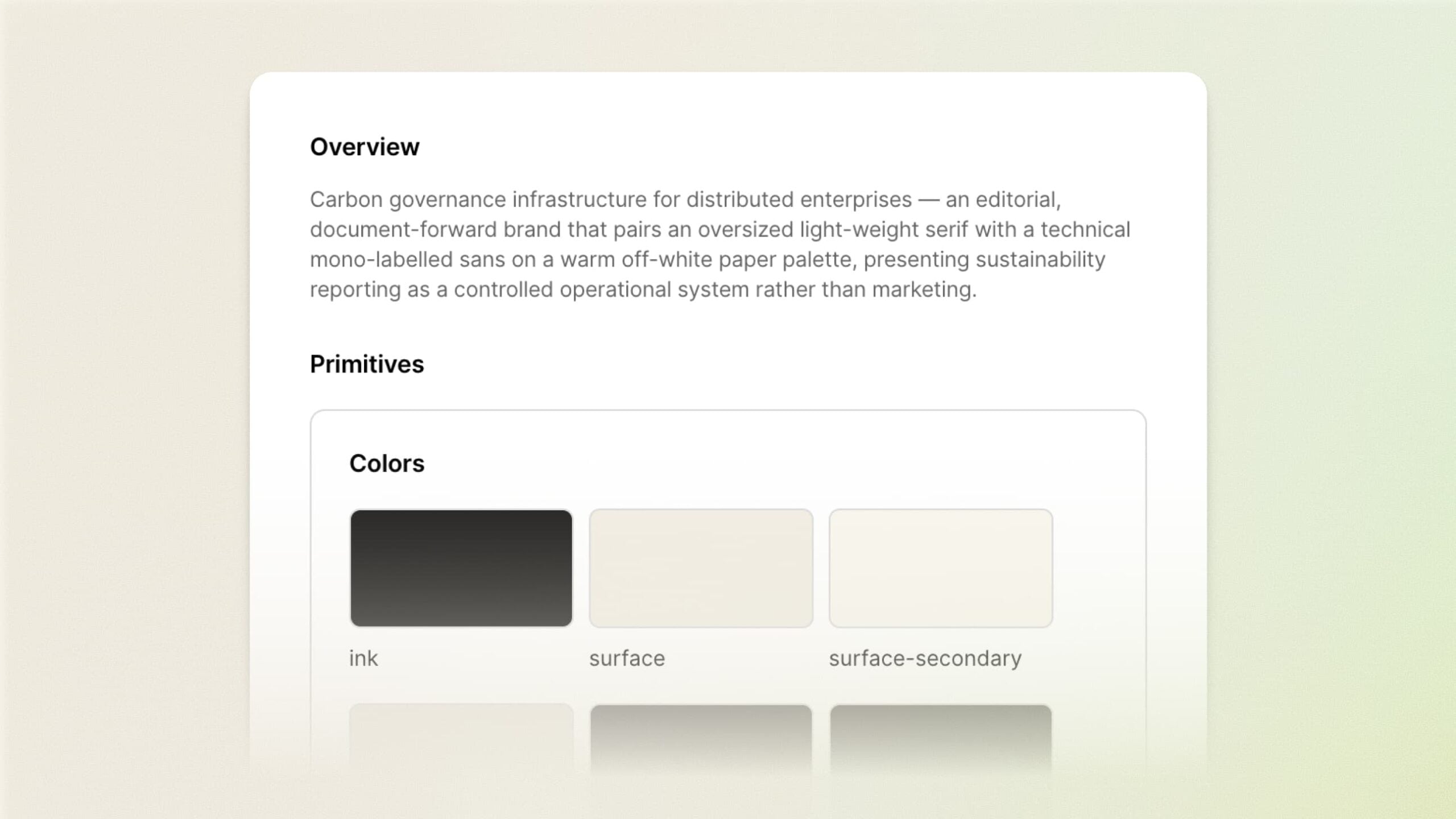
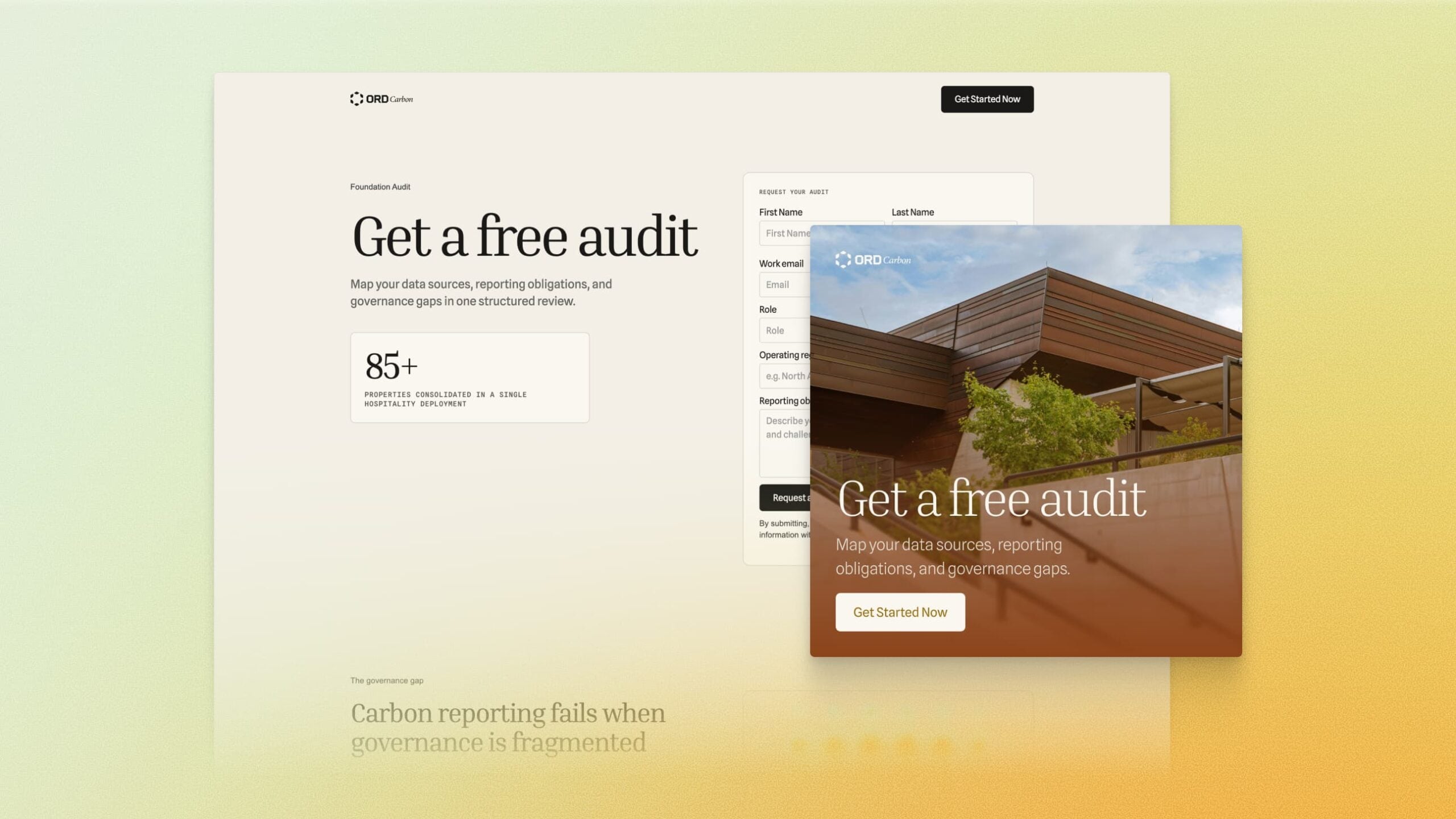
Webflow says Campaigns extracts brand context from an existing website and uses a shared brief and design reference to generate assets. Teams can edit the copy, layout and creative in a visual canvas.
Webflow’s example of the brand reference and campaign brief used to guide generated assets. Image: Webflow
The product supports page variations for different audiences, with a separate URL for each. Those addresses give a campaign manager a way to send an ad to the version written for its intended audience.
Webflow says teams can create audience-specific page variations with their own URLs. Image: Webflow
For paid search, that makes the relationship between the ad’s promise and its destination a useful review point. A page aimed at one industry can carry different evidence or offer details from a page aimed at another. The matching ad needs to land on the corresponding version, including after a later edit changes the offer or registration deadline.
Forms and reporting connect the campaign to sales
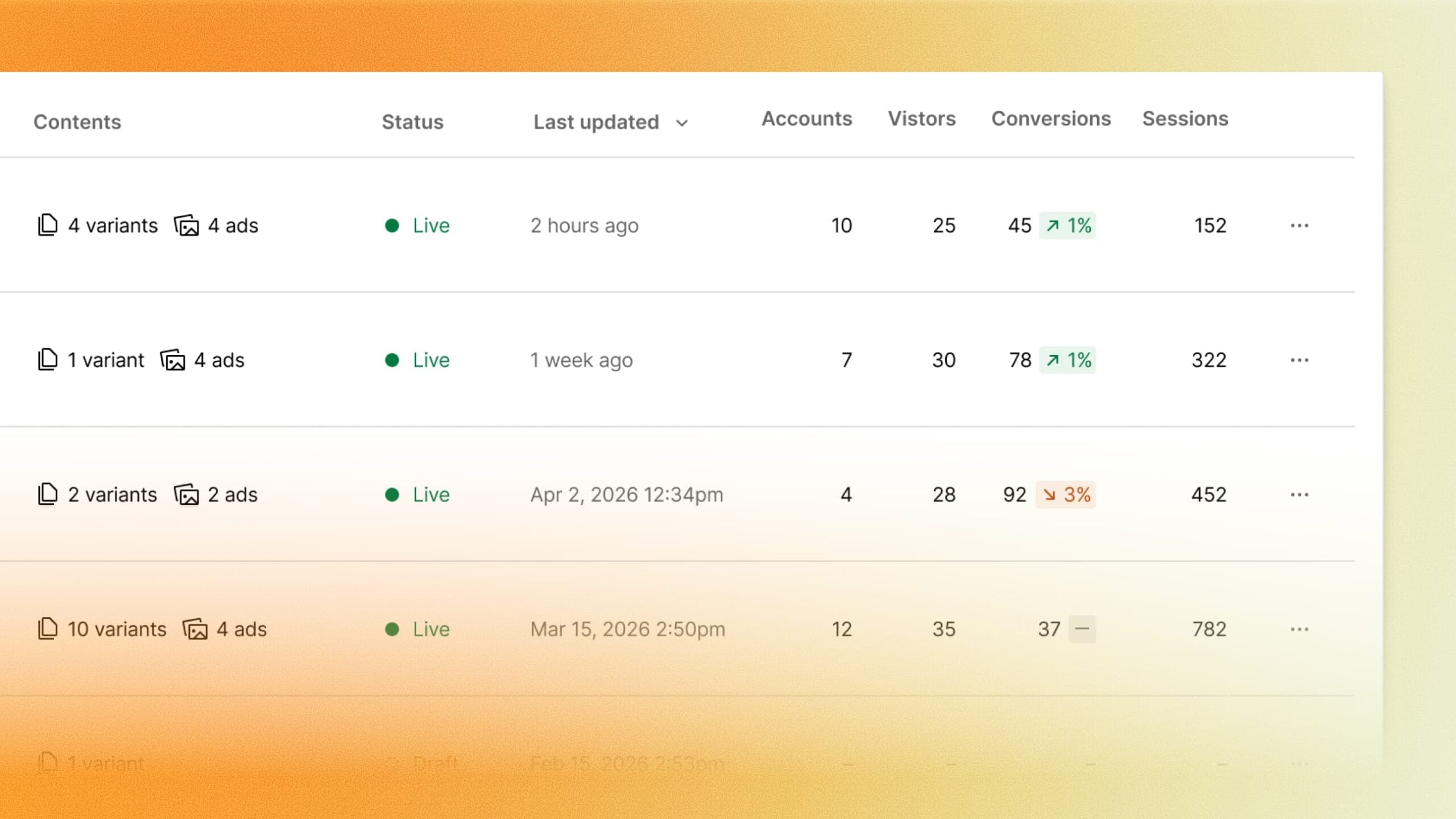
The launch includes Marketo and HubSpot forms, a Google Ads integration for preparing Performance Max campaigns and sending them to Google Ads for launch, and reporting connections to HubSpot and Salesforce.
Webflow’s reporting example illustrates its measurement workflow, rather than SEW campaign results. Image: Webflow
For an existing marketing team, those connections determine where the work continues after someone submits a form. A completed page can capture interest, while the form fields and customer record determine whether sales receives the details needed to act on it.
A practical launch check is to submit a clearly identified test entry on each page variation and trace it to the intended destination. The resulting record can show whether the campaign and audience details survive the handoff. That is a proposed check for the workflow; no Campaigns form submission was tested for this article.
Separate campaign URLs need a consistent measurement plan
Audience-specific URLs also change how a team reads the results. Comparing only total conversions can obscure which page attracted which audience, particularly if the offers or lead criteria differ. Keeping the page version attached to the lead record gives the sales result a connection back to the asset that generated it.
That comparison becomes more useful when it includes the outcome after a submission, such as a qualified lead or completed purchase. A campaign that generates more form fills may produce a different mix of qualified leads, so the page and customer records need a consistent definition of success.
Webflow’s announcement directs prospective buyers to a demo. It gives no complete price or usage table for Campaigns, so its inclusion in an existing site plan should be confirmed before a team budgets for the additional workspace.
Muse US downloads totaled 10.2 million across 40 days, versus ChatGPT’s 3.7 million, TechCrunch reports.
The comparison measures each app’s first 40 days after launch. For retailers watching AI shopping, the figures offer an early indication of the audience installing Meta’s agent, although downloads do not establish how many people shop with it or complete purchases.
The US comparison favors Muse’s launch
The Sensor Tower figures reported by 9to5Mac also put ChatGPT at about 15 million worldwide downloads in its opening 40 days. Its broader launch reached markets including Japan, Brazil and Germany. Comparing US downloads therefore answers a narrower question than comparing the apps‘ entire early audiences.
These are estimates from a market intelligence company. Sensor Tower uses proprietary panels and data science models, according to the research note reviewed by PPC Land; its published account does not give the panel sample size for Muse. The measured outcome is app adoption, with no retailer sales data attached.
Meta is spending heavily to attract users
Sensor Tower also estimates that Muse received 39% of Meta’s US advertising spend so far in October, up from 23% in September, according to 9to5Mac’s report. That concentration gives the download figures useful context: Meta is supporting the launch with a substantial share of its own advertising budget. The figures do not separate downloads driven by ads from other acquisition routes.
For US users, the same report puts Muse’s seven-day retention at 30% and its 14-day retention at 23%. Those measures describe people returning after installation, giving a more specific view of ongoing use than the cumulative download total. They still leave the tasks those people perform unmeasured.
Retailers have to account for the agent’s buying process
Meta introduced Muse on September 8 as an agent with its own browser on a dedicated cloud computer. The company says Muse can fill out forms and prepare purchases, with users approving sensitive actions such as buying something. A shopper can consequently delegate parts of the transaction while retaining the purchase decision.
That changes the work involved in reaching this audience. A product recommendation needs to survive the agent’s attempt to use the merchant’s site and the customer’s approval. The launch estimates give retailers a reason to examine that buying process, but provide no basis for treating every install as a prospective customer for their own store.
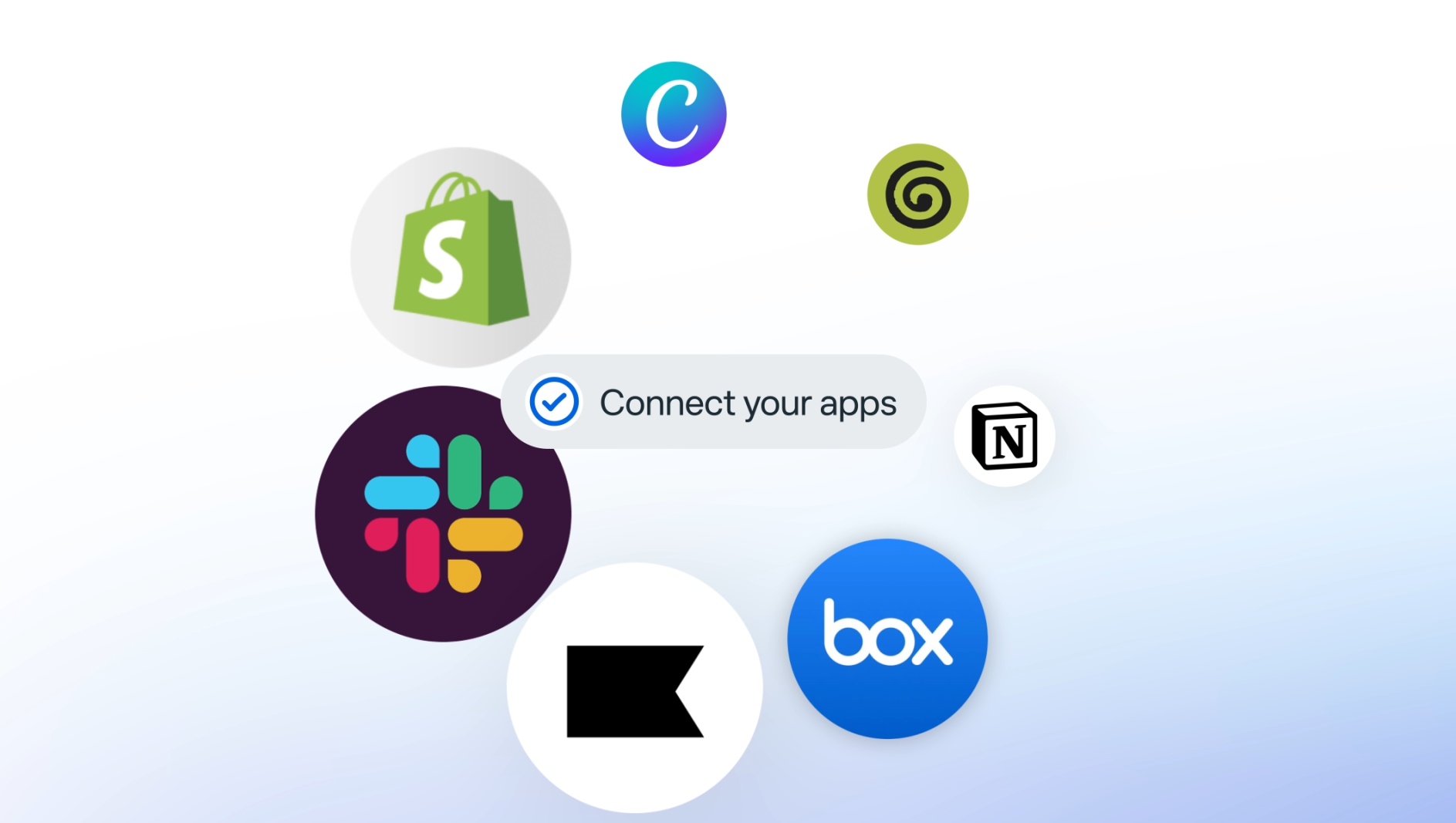
Muse can also work with information inside a business. Meta’s September 29 small-business expansion added connections to services including Shopify and Meta business accounts, which give it access to operational data with the owner’s permission.
Muse can connect to business services with the owner’s permission. Image: Meta
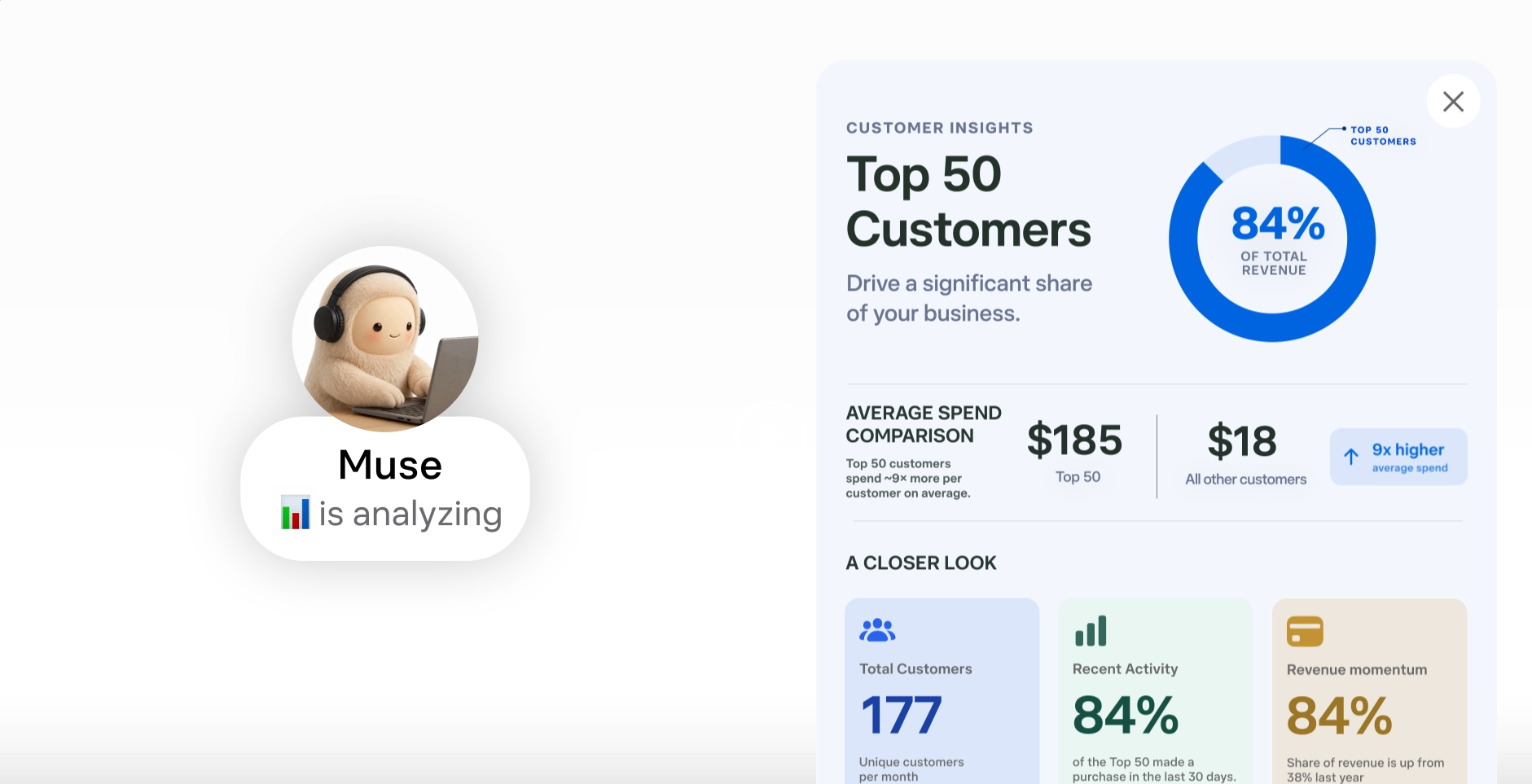
The business workflows available through Muse include analyzing campaign performance and drafting advertising. These are separate uses of the same agent: an account connection lets it prepare work for a business, while a customer’s shopping request sends it toward a merchant. Meta says business owners must approve actions that publish, send or spend.
Meta’s promotional example of a customer analysis. The displayed figures are illustrative company material. Image: Meta
Reddit adds campaign forecasts and an optimization score to its advertising tools, giving media buyers a way to compare proposed plans and review campaign recommendations. The company announced the changes on October 20 and says both features are rolling out to all advertisers through October.
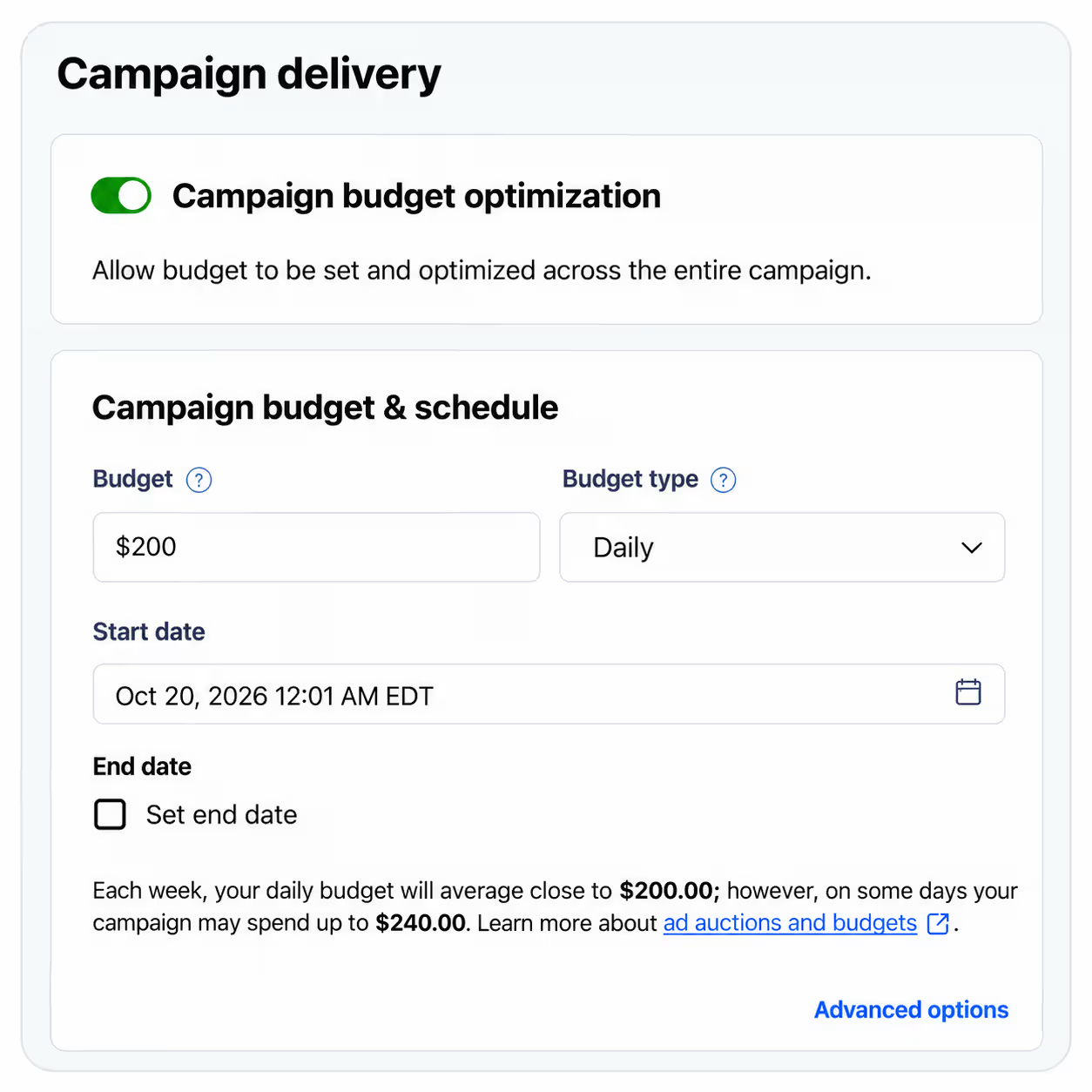
The update also extends campaign budget optimization across more objectives, allowing Reddit to distribute a campaign’s spending among its ad groups.
The planner compares budgets before a campaign starts
Reddit’s campaign planner projects reach, impressions and costs. Advertisers can compare versions with different budgets, audiences, objectives and placements. A plan can then become a draft campaign.
Reddit’s campaign planner example shows a proposed plan, rather than a measured advertiser result. Image: Reddit
A useful comparison starts with a question narrow enough for the forecast to answer. Holding the audience and objective constant while changing the budget shows the estimated effect of that spending change. Changing the audience, budget and objective together produces a different media plan, but makes it harder to identify which setting explains a difference in projected costs.
Saving the version selected before launch would give a buyer a reference for later reporting. Actual delivery can then be compared with the original estimate, rather than a forecast recreated after the campaign has run.
The score offers recommendations during campaign setup
The campaign optimization score rates a setup from zero to 100% and supplies recommendations during campaign creation and editing.
Reddit says advertisers with scores of at least 80% had a 19.6% lower blended cost per acquisition than lower-scoring advertisers in its internal July to September data. It provides no sample size or detailed adjustment method alongside that comparison, and labels the results not typical. Reddit describes the figures as historical averages that vary by campaign.
The comparison groups advertisers by score, so differences in their audiences, offers and conversion definitions can also affect acquisition costs. An advertiser evaluating a recommendation would need the result for its own conversion goal, with the change and measurement period recorded, to judge how that recommendation performed.
Budget automation changes how ad groups compete for spend
Campaign budget optimization is available for Awareness and consideration and Traffic objectives. Sales, Lead generation and App promotion remain in beta. Advertisers set their budgets and bids at campaign level while Reddit shifts spending between ad groups.
The campaign budget tool allocates spending among ad groups, according to Reddit. Image: Reddit
That gives buyers two different comparisons to make. The planner compares possible campaigns before spending begins, while campaign budget optimization allocates money inside the campaign that actually runs. A forecast for one proposed audience does not specify how much each ad group will receive once automated allocation is active.
For a lead generation campaign, the final allocation is worth reading alongside the lead records. If an ad group receives more spending, the relevant follow-up is whether the additional leads meet the business’s qualification criteria. Tracking that result separately from the platform’s acquisition count keeps the advertiser’s sales outcome visible when reviewing the allocation.